
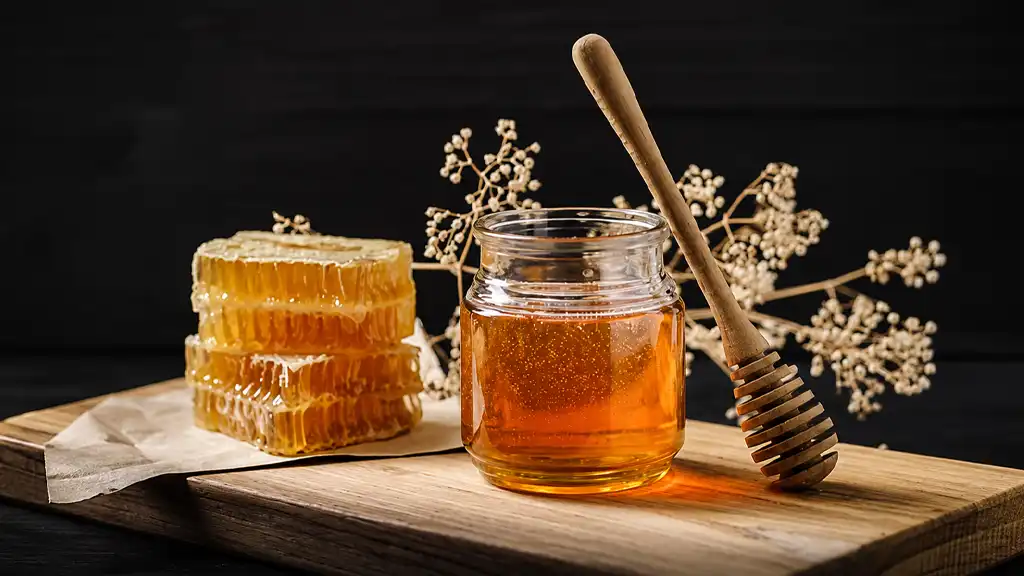
Why Choose Organic Honey
Why choose organic honey? This question is becoming increasingly important as consumers pay more attention to the quality, origin, and production methods of the food they consume. Organic honey is often associated with natural purity, sustainable production, and a commitment to maintaining the integrity of both the environment and the final product.
As demand for natural and minimally processed foods continues to grow, organic honey has become a preferred choice for many households and businesses. From its production standards to its unique characteristics, there are several reasons why organic honey stands out in the global honey market.
This article explores nine proven benefits that explain why choose organic honey is a question worth considering for anyone seeking a premium honey product.
Understanding Organic Honey
Before exploring the benefits, it is important to understand what organic honey actually means. Organic honey is produced according to specific standards designed to protect the natural environment and ensure responsible production practices.
Beekeepers must follow strict guidelines regarding hive management, honey extraction, processing methods, and environmental conditions surrounding the apiaries. The goal is to maintain the natural integrity of the honey while reducing unnecessary intervention.
These standards help ensure that consumers receive a product that aligns with modern expectations for quality, transparency, and sustainability.
9 Proven Benefits Of Organic Honey
1. Natural Purity
One of the strongest reasons why choose organic honey is its natural purity. Organic production standards focus on preserving the original characteristics of honey without unnecessary additives or excessive processing.
Consumers increasingly prefer products that remain as close as possible to their natural state. Organic honey aligns perfectly with this preference by maintaining its authentic composition.
Natural purity is also important for premium food markets where quality and authenticity influence purchasing decisions.
2. Trusted Production Standards
Organic honey is produced under established guidelines designed to ensure consistency and transparency. These standards help create confidence among consumers who want clear information about how products are made.
For many buyers, trust plays a major role in purchasing decisions. Knowing that a product follows recognized production standards provides additional reassurance.
This is one of the key reasons why choose organic honey remains a popular question among quality-focused consumers.
3. Rich And Authentic Flavor
Organic honey often reflects the natural diversity of the environment where bees collect nectar. Different floral sources contribute to unique flavor profiles that can vary depending on region and season.
Some varieties offer delicate floral notes, while others present richer and more intense characteristics. This diversity makes organic honey attractive to both everyday consumers and culinary professionals.
Authentic flavor is frequently cited as one of the primary reasons why choose organic honey over more heavily processed alternatives.
4. Greater Transparency
Modern consumers increasingly want to know where their food comes from. Organic honey producers often provide detailed information about production practices, sourcing, and quality control.
This transparency helps build stronger relationships between producers and consumers. Buyers appreciate products that offer clear origin information and documented production standards.
Transparency also supports traceability, which is becoming increasingly important across international food markets.
5. Sustainable Beekeeping Practices
Sustainability plays a significant role in organic honey production. Responsible beekeeping practices help support healthy bee populations and contribute to long-term environmental balance.
Healthy bees are essential not only for honey production but also for pollination and biodiversity. Sustainable production methods help protect these important ecological functions.
For environmentally conscious consumers, sustainability is often a major reason why choose organic honey becomes an easy decision.
6. Growing Consumer Confidence
Consumer awareness regarding food quality continues to increase. Organic certifications and production standards often create stronger confidence in the final product.
Many buyers actively seek products that align with their values regarding quality, authenticity, and responsible production. Organic honey frequently meets these expectations.
As confidence grows, organic honey continues strengthening its position within premium food categories.
7. Premium Market Recognition
Organic honey is widely recognized as a premium product. Retailers, distributors, and consumers often associate organic certification with higher standards and greater product value.
This recognition benefits both producers and buyers. Producers can position their products more effectively, while consumers gain access to products that meet specific quality expectations.
Premium positioning is one of the reasons why choose organic honey remains relevant in competitive food markets.
8. Versatility In Everyday Use
Organic honey can be used in numerous ways. It works well as a natural sweetener, ingredient in recipes, addition to beverages, or standalone food product.
Its versatility makes it suitable for households, restaurants, bakeries, and food manufacturers. Different varieties can also support different culinary applications.
Consumers appreciate products that combine quality with practical everyday use.
9. Long-Term Value
While purchasing decisions often focus on immediate benefits, long-term value is equally important. Organic honey offers a combination of quality, authenticity, and trusted production standards that contribute to lasting consumer satisfaction.
Products that consistently deliver quality are more likely to build loyalty and repeat purchases. This makes organic honey attractive for both consumers and businesses.
For many buyers, long-term value ultimately answers the question of why choose organic honey.
How Organic Honey Is Produced
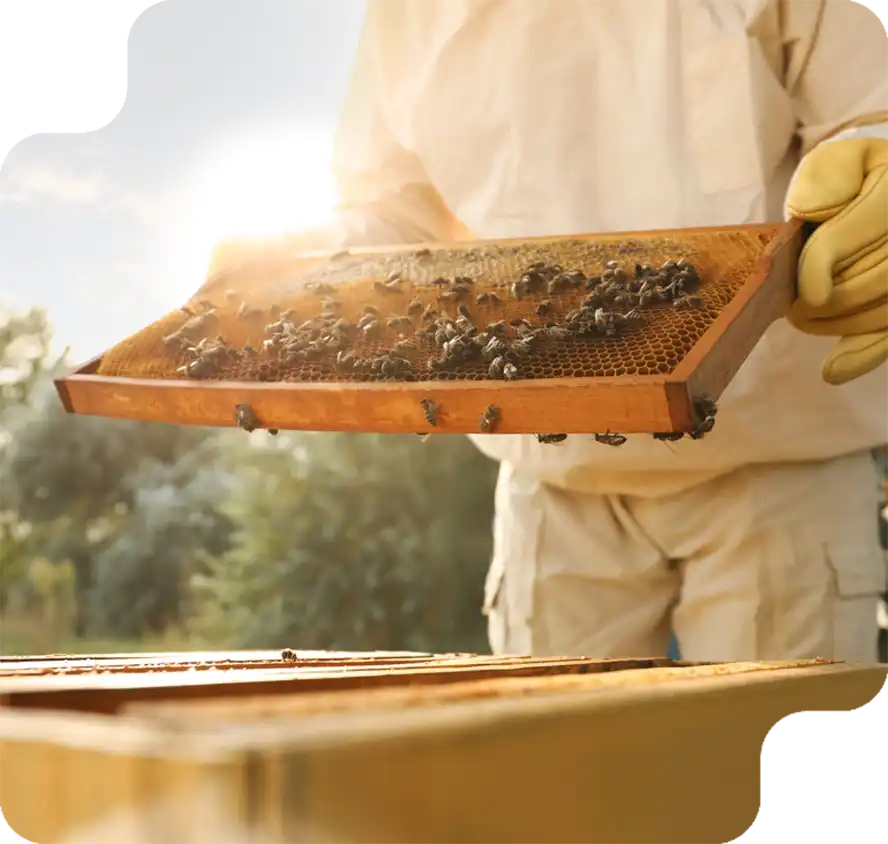
Organic honey production begins with careful planning and responsible hive management. Beekeepers select suitable locations that provide access to diverse nectar sources and healthy environments.
Throughout the production process, attention is given to maintaining the natural integrity of the honey. Extraction methods are designed to preserve product quality while minimizing unnecessary intervention.
Storage and packaging also play important roles. Proper handling helps maintain consistency and protect the characteristics that make organic honey valuable.
Quality control measures are often used to verify compliance with production standards and ensure reliability.
The Importance Of Bee Health
Healthy bees are the foundation of every successful honey operation. Organic beekeeping places strong emphasis on maintaining colony health through responsible management practices.
Supporting healthy bee populations contributes to sustainable honey production and broader environmental stability. Bees play a critical role in pollination, which supports many plant species and agricultural systems.
Protecting bee health benefits producers, consumers, and ecosystems alike.
Why Businesses Are Choosing Organic Honey
Businesses increasingly recognize the value of organic honey within premium food categories. Consumers are willing to invest in products that align with modern expectations regarding quality and transparency.
Retailers benefit from offering products with strong market appeal. Organic honey often attracts consumers seeking natural alternatives and premium food experiences.
Distributors and wholesalers also appreciate products that provide clear differentiation within competitive markets.
As demand continues growing, organic honey creates new opportunities for long-term business partnerships.
Market Trends Supporting Organic Honey
Several market trends continue driving interest in organic honey. Consumers are becoming more selective about food quality and increasingly interested in natural products.
Transparency, sustainability, and traceability have become important purchasing factors. Organic honey aligns well with these priorities.
Additionally, growing awareness of environmental issues encourages consumers to support products connected to responsible production practices.
These trends suggest that organic honey will remain an important segment within the global honey market.
Common Misconceptions About Organic Honey
Some consumers assume that all honey is automatically organic. In reality, organic honey production requires adherence to specific standards and production practices.
Another misconception is that organic honey only appeals to niche markets. In fact, demand continues expanding as more consumers prioritize product quality and transparency.
Understanding these distinctions helps consumers make more informed purchasing decisions.
The Future Of Organic Honey
The future of organic honey looks promising. Demand for premium and naturally produced foods continues increasing across global markets.
Producers who maintain strong quality standards and communicate their values effectively are likely to benefit from this growth.
Innovation in packaging, sustainability initiatives, and supply chain transparency will continue shaping the industry in the years ahead.
As awareness grows, more consumers are expected to explore why choose organic honey and discover its long-term value.
Conclusion
Why choose organic honey? The answer lies in its combination of natural purity, trusted production standards, authentic flavor, sustainability, and premium market recognition.
Organic honey offers benefits that extend beyond simple sweetness. It represents a commitment to quality, transparency, and responsible production practices that resonate with modern consumers.
Whether for personal use or business purposes, organic honey continues to provide a reliable and valuable choice in today’s food market.
FAQ
What is organic honey?
Organic honey is produced according to specific standards that focus on natural production methods, environmental responsibility, and product integrity.
Why choose organic honey instead of conventional honey?
Many consumers prefer organic honey because of its production standards, transparency, and association with natural quality.
Does organic honey have a different taste?
Flavor depends on floral sources, but many consumers appreciate the authentic and distinctive taste profiles often associated with organic honey.
Is organic honey suitable for everyday use?
Yes, organic honey can be used daily as a natural sweetener, ingredient, or standalone food product.
Why is sustainability important in organic honey production?
Sustainable practices help protect bee populations, support biodiversity, and contribute to long-term environmental health.


