
Honey For Immunity
Honey has been valued as a natural food for thousands of years, and today it remains popular among people looking for simple, minimally processed ingredients to include in a balanced diet. Its natural composition includes sugars, small amounts of vitamins and minerals, and a variety of plant-derived compounds. This has also created growing interest in honey for immunity and its potential role as part of everyday nutrition.
However, honey should not be presented as a medicine or as something that can independently strengthen the immune system or prevent illness. Immune function depends on many factors, including overall nutrition, sleep, physical activity, age, health status, and lifestyle.
The real value of honey lies in its natural composition, antioxidant compounds, versatility, and ability to complement a varied diet. This guide explores five important reasons why honey for immunity has become a popular topic and explains what consumers should realistically expect from premium natural honey.
What Does The Immune System Actually Need?
The immune system is not a single organ that can simply be “boosted” by eating one particular food.
It is a complex network involving cells, tissues, organs, and biological processes that work together to protect the body.
Normal immune function depends on adequate nutrition. Various nutrients, including proteins, vitamins, minerals, and other dietary compounds, contribute to normal physiological processes.
No individual food replaces a balanced diet.
That distinction is important when discussing honey.
Honey can be incorporated into a healthy eating pattern, but claims that a spoonful of honey will dramatically strengthen immunity are an oversimplification.
Understanding this provides a much more realistic foundation for examining honey for immunity.
5 Powerful Benefits To Know
1. Honey Naturally Contains Antioxidant Compounds
One of the most interesting characteristics of honey is its naturally occurring antioxidant compounds.
Honey can contain various plant-derived substances, including phenolic compounds and flavonoids. Their amounts and composition can differ substantially depending on the botanical and geographical origin of the honey.
Antioxidants are relevant because they interact with oxidative processes within the body.
However, this should not be interpreted as evidence that honey alone prevents disease.
The antioxidant profile of an overall diet matters much more than relying on a single ingredient.
Fruits, vegetables, nuts, whole grains, herbs, and numerous other foods also contribute important compounds.
Honey can simply be one component of this broader dietary pattern.
2. Different Honey Varieties Have Different Natural Profiles
Honey is not a standardized substance with exactly the same composition in every jar.
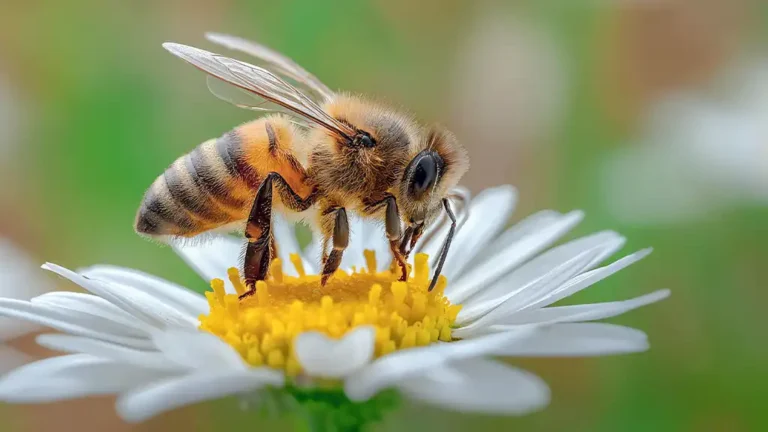
Bees collect nectar from different plants, and those botanical sources influence the final product.
Factors that can affect honey include:
- Floral source
- Geographical location
- Climate
- Season
- Harvest conditions
- Processing
- Storage
This means wildflower honey may differ from acacia, forest, mountain, or other varieties.
Even two harvests from the same general region can display natural differences.
This diversity is one reason premium honey is particularly interesting. Consumers are not simply purchasing sweetness; they can experience a food whose characteristics reflect a particular environment.
When choosing honey for immunity as part of a balanced diet, quality and transparent origin are therefore more meaningful than exaggerated marketing claims.
3. Honey Can Be Part Of A Balanced Diet
Honey’s practical advantage is versatility.
It can be incorporated into numerous foods without requiring complicated preparation.
For example, honey can complement:
- Oatmeal
- Yogurt
- Fresh fruit
- Whole-grain bread
- Nuts
- Smoothies
- Tea
- Homemade dressings
Combining honey with nutrient-rich foods creates a more complete meal than consuming honey alone.
A breakfast containing yogurt, fruit, nuts, and a small amount of premium honey provides considerably more nutritional variety than simply taking a spoonful of honey because it has been advertised as an immune booster.
Context matters.
4. Honey Can Provide A Natural Alternative For Sweetening Foods
Another practical reason people use honey is as an alternative source of sweetness.
Honey can replace some refined sugar in certain foods and beverages while contributing its own distinctive flavor and aroma.
This does not mean honey becomes nutritionally unlimited.
Honey still contains a high proportion of sugars and contributes calories.
Replacing large amounts of sugar with equally large amounts of honey does not eliminate the need for moderation.
The advantage is primarily culinary: a relatively small quantity of flavorful honey can add both sweetness and distinctive botanical character.
For consumers interested in honey for immunity, this is a more realistic benefit than treating honey as a supplement or medicine.
5. Premium Honey Offers Traceable Natural Origin
The fifth benefit relates to quality rather than a direct physiological effect.
Premium honey can provide consumers with a clear connection to its geographical and botanical origin.
This matters because people increasingly want to understand where their food comes from.
A transparent honey producer or supplier should provide meaningful information about:
- Country of origin
- Honey variety
- Producer or supplier
- Packaging
- Traceability
- Relevant product information
This creates confidence and allows consumers to select honey based on real characteristics rather than vague wellness terminology.
Can Honey Really Boost Immunity?
The phrase “boost immunity” is widely used in food and supplement marketing, but biologically it is often too simplistic.
A healthy immune system requires balance and proper function rather than maximum activity.
No ordinary food can guarantee that you will avoid infections or dramatically increase immune performance.
Honey does contain naturally occurring compounds that make it an interesting part of a varied diet, but it should not replace evidence-based healthcare, appropriate nutrition, sleep, exercise, or other important lifestyle factors.
This distinction makes discussions about honey for immunity more accurate.
Honey can contribute to a balanced dietary pattern.
It is not an immunity treatment.
Honey And Antioxidants
Antioxidants are among the most frequently discussed components of honey.
Different honey varieties contain different concentrations and combinations of antioxidant compounds.
Generally, botanical origin plays an important role in determining these differences.
This is another reason why honey should not be treated as one completely uniform food.
Premium regional honey can offer distinctive natural characteristics associated with the vegetation surrounding the bees.
However, consumers should remember that dietary antioxidants come from many sources.
Honey should complement fruits, vegetables, herbs, nuts, and other nutrient-rich foods rather than replace them.
Dark Honey Vs Light Honey
Honey color can vary dramatically.
Some varieties are almost transparent, while others are deep amber or considerably darker.
Color is influenced largely by botanical origin and composition.
Research has found differences in antioxidant characteristics among honey varieties, and darker honeys can sometimes contain higher concentrations of certain compounds.
But color alone should not be used as a universal quality test.
A light acacia honey can still be an excellent premium product with distinctive characteristics.
Consumers should select honey according to quality, origin, flavor preferences, and intended use rather than assuming darker always means better.
Raw Honey And Natural Composition
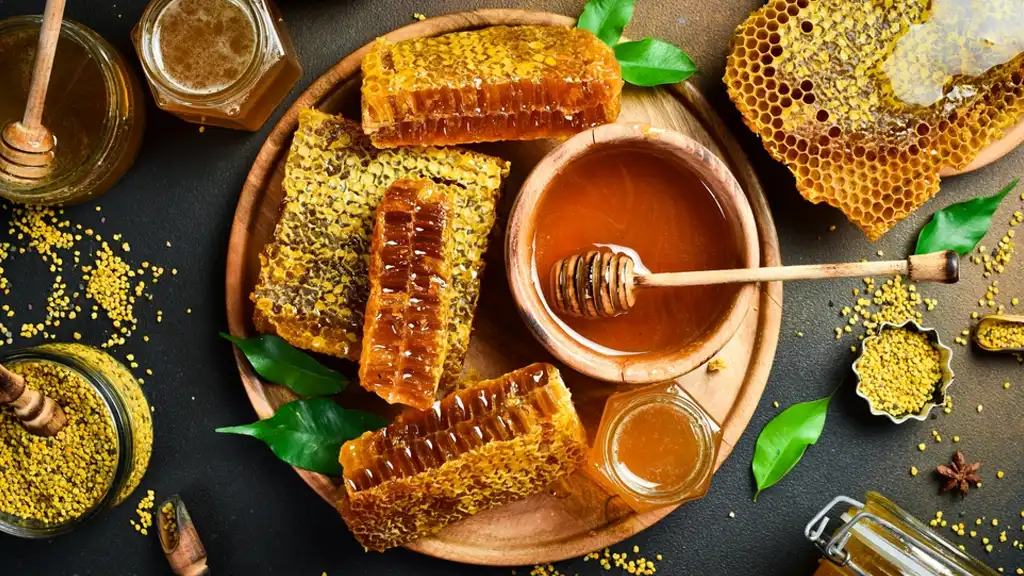
Raw honey is popular among consumers who prioritize minimally processed foods.
It generally undergoes less intensive processing after extraction from the hive.
Because certain naturally occurring honey components can be affected by processing conditions, consumers may choose raw honey when they want a product kept relatively close to its original state.
However, “raw” should not automatically be interpreted as healthier, medicinal, organic, or superior in every respect.
Production quality still matters.
So do hygiene, storage, geographical origin, traceability, and supplier credibility.
Raw Honey Vs Regular Honey
The main difference usually concerns processing.
Commercial honey may undergo heating and filtration to improve clarity, consistency, handling, and resistance to crystallization.
Raw honey generally receives less intensive treatment.
For consumers interested in flavor and natural variation, raw honey can be particularly appealing.
Regular honey can still be high quality.
The individual product matters more than the marketing category.
This principle should also guide consumers choosing honey for immunity.
Look at the complete product rather than one word on the label.
Is Organic Honey Better For Immunity?
Organic and raw are different concepts.
Organic honey should comply with applicable organic production and certification requirements.
Raw honey generally refers to processing after harvesting.
Neither label means the honey can prevent illness or guarantee stronger immunity.
Certified organic honey may appeal to consumers who specifically value organic production standards, while raw honey may appeal to those prioritizing minimal processing.
Quality honey can exist in both categories.
Honey In A Healthy Breakfast
Breakfast provides one of the easiest opportunities to incorporate honey into a varied diet.
Instead of consuming honey by itself, combine it with foods offering additional nutritional value.
For example, yogurt can be paired with fruit, nuts, oats, and a small amount of honey.
Whole-grain toast can be combined with nut butter and honey.
Oatmeal can include fruit, seeds, cinnamon, and honey.
These combinations provide a broader nutritional profile.
Honey adds sweetness and flavor while other ingredients provide protein, fiber, vitamins, minerals, and healthy fats.
Honey With Tea
Honey and tea are a familiar combination across many cultures.
Different honey varieties can significantly change the flavor of a beverage.
A mild floral honey may complement delicate herbal teas, while a stronger forest or wildflower honey can create a more intense flavor.
Consumers sometimes avoid adding premium raw honey to extremely hot drinks because they want to preserve its original sensory characteristics.
Allowing tea to cool slightly before adding honey can also make its aroma easier to appreciate.
Honey During Cold And Flu Season
Honey often receives additional attention during colder months.
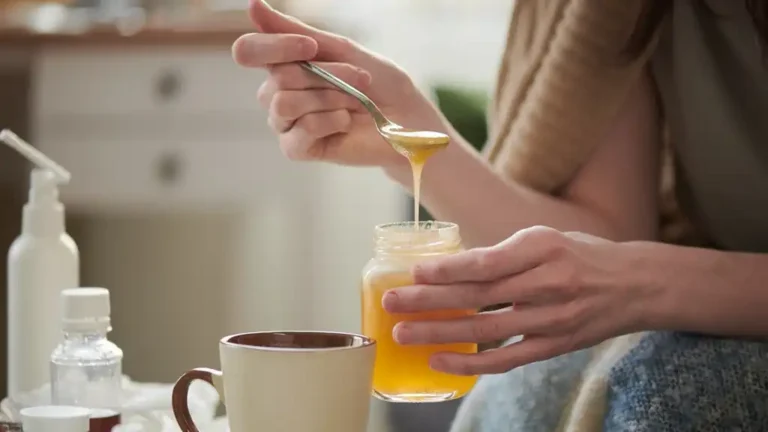
People commonly add it to warm beverages when they have throat discomfort or cough.
There is evidence supporting honey’s use for cough relief in some circumstances, particularly compared with no treatment, but this should not be confused with curing the underlying infection or universally strengthening immunity.
It is important to keep these claims separate.
Honey may provide comfort.
That does not mean it eliminates viruses or replaces appropriate medical care.
Honey Is Still A Source Of Sugar
This point should not be ignored.
Honey contains predominantly sugars.
Its natural origin does not change that.
Consumers should therefore use it in reasonable quantities, especially when their overall diet already contains significant amounts of added or free sugars.
More honey does not mean more immune support.
A small amount incorporated into a nutritious meal makes more sense than consuming large quantities because of supposed health benefits.
Credible nutrition advice requires this distinction.
Why Quality Matters
When purchasing premium honey, consumers should evaluate more than appearance.
A beautiful jar does not prove quality.
Look for clear origin, transparent labeling, an identifiable producer or supplier, appropriate packaging, and credible product information.
Avoid products relying heavily on claims such as “miracle,” “cure,” or guaranteed immunity.
Premium honey does not need those claims.
Authentic origin, distinctive flavor, natural composition, and responsible production already provide meaningful value.
Why Honey Origin Matters
Honey is closely connected with geography.
Bees forage within the landscapes surrounding their colonies, and the available vegetation influences the honey they produce.
This means honey from different regions can have noticeably different characteristics.
Mountain environments can offer different nectar sources from agricultural plains.
Forests provide different conditions from open wildflower meadows.
Climate and seasonal flowering patterns create further variation.
For consumers interested in premium food products, geographical origin therefore adds genuine value.
European Honey And Natural Diversity
Europe contains remarkably diverse environments for honey production.
Its regions include mountains, forests, Mediterranean landscapes, agricultural areas, valleys, and wildflower meadows.
This creates numerous honey varieties with distinctive characteristics.
European honey can include:
- Acacia honey
- Wildflower honey
- Forest honey
- Linden honey
- Chestnut honey
- Mountain honey
- Blossom honey
For international consumers, this diversity provides an opportunity to explore honey beyond generic supermarket products.
Bosnian Honey And Rich Botanical Origin
Bosnia and Herzegovina offers particularly interesting conditions for honey production.
Its geography includes mountains, extensive forests, river valleys, meadows, and diverse flowering vegetation.
Different regions and seasons provide bees with different forage environments.
This creates opportunities for honey with distinctive regional character.
Bosnian beekeeping also has a long tradition, connecting modern honey production with generations of practical experience.
For consumers seeking premium European products, this combination gives Bosnian honey a strong identity.
Bosnian Honey For International Consumers
International premium food markets increasingly value products with identifiable geographical stories.
Bosnian honey can fit naturally within this trend.
Rather than competing solely as another sweet product, it can be positioned around:
- European origin
- Natural landscapes
- Floral diversity
- Beekeeping tradition
- Distinctive flavor
- Professional presentation
These characteristics can be relevant for consumers, retailers, hospitality businesses, importers, and distributors.
Honey For Immunity In Qatar
Honey already has a strong cultural and culinary presence throughout Qatar and the wider Gulf region.
Consumers have access to local, regional, and imported varieties, creating a diverse market.
Premium European honey can complement this existing selection by providing different botanical origins and flavor profiles.
For Qatar consumers researching honey for immunity, the same basic principle applies: choose quality honey as part of a balanced diet rather than expecting one product to transform immune health.
Bosnian honey can offer an interesting premium option because of its distinctive European geographical origin and natural diversity.
What To Look For When Buying Honey
Start with the label.
Look for clear information rather than marketing slogans.
Important considerations include:
- Country of origin
- Producer or supplier
- Honey variety
- Net quantity
- Traceability information
- Storage guidance
- Appropriate certification when claimed
If a product is marketed as organic, check whether appropriate certification supports that claim.
If it is marketed as raw, understand how the producer defines its processing approach.
Transparency is more useful than exaggerated promises.
Can Honey Replace Supplements?
Not necessarily, and this is the wrong way to think about honey.
Honey is a food.
Whether an individual requires specific supplementation depends on their diet, circumstances, and professional medical advice where appropriate.
Honey should not be marketed as a substitute for nutrients that a person medically needs.
Its role is much simpler: it can be part of a varied and enjoyable diet.
Can Honey Prevent Colds?
Honey should not be presented as a guaranteed method of preventing colds.
Common respiratory infections have specific causes, and no single food provides complete protection.
Maintaining appropriate nutrition, sleep, hygiene, physical activity, and following relevant healthcare guidance provides a more sensible approach.
Honey can still be enjoyed during cold season and may be soothing in warm beverages, but that is different from preventing infection.
Can Children Eat Honey?
Honey should not be given to infants under 12 months because of the risk of infant botulism.
This is an important safety rule regardless of whether the honey is raw, organic, local, imported, premium, or commercially processed.
For older children, honey remains a sugar-containing food and should be used appropriately within the overall diet.
Honey And A Balanced Lifestyle
Immune health cannot be separated from overall lifestyle.
Adequate sleep, varied nutrition, regular physical activity, appropriate hydration, and other health behaviors all matter.
Honey can fit within that broader picture.
It can make nutritious foods more enjoyable, provide distinctive flavor, and offer naturally occurring compounds.
What it cannot do is compensate for an otherwise poor diet or unhealthy lifestyle.
That is why responsible discussion of honey for immunity should always consider the complete dietary context.
BeeJapa And Premium Bosnian Honey
BeeJapa focuses on presenting premium Bosnian honey and bee-based products to international consumers and commercial partners.
Bosnia and Herzegovina provides a strong geographical foundation through its forests, mountains, meadows, valleys, and diverse vegetation.
The value of this origin lies in authenticity and product identity.
For international markets, premium Bosnian honey can provide a distinctive European alternative supported by transparent sourcing, professional presentation, and a recognizable regional story.
Rather than relying on unsupported health promises, the stronger approach is to communicate what the product genuinely offers: natural origin, distinctive flavor, botanical diversity, and quality-focused production.
Honey For Retail And Hospitality
Premium honey also has value beyond household use.
Retailers can position regional honey according to origin and botanical variety.
Hotels can incorporate it into breakfast service, premium gifting, and culinary experiences.
Restaurants can use different varieties in sauces, desserts, beverages, and cheese pairings.
For these businesses, quality consistency and reliable supply are particularly important.
Premium positioning needs to be supported by professional operations.
Honey For Importers And Distributors
Commercial buyers need to evaluate suppliers differently from ordinary consumers.
Origin and flavor matter, but so do documentation, available quantities, packaging, supply capacity, and export readiness.
Before establishing cooperation, importers and distributors should clarify:
- Product origin
- Available varieties
- Packaging formats
- Quantities
- Documentation
- Quality requirements
- Lead times
- Supply continuity
Long-term reliability is often more valuable than obtaining the lowest possible price for one shipment.
Why Responsible Claims Build Trust
Consumers increasingly research health claims before purchasing products.
Brands that exaggerate eventually risk damaging their credibility.
Honey provides a good example.
There is genuine scientific interest in its composition and properties, but that does not justify claiming it will cure disease or guarantee stronger immunity.
Accurate communication creates a stronger premium brand.
Consumers can appreciate honey for what it actually is rather than what marketing tries to make it.
Conclusion
Interest in honey for immunity is understandable because honey contains naturally occurring antioxidant compounds and can be incorporated easily into a varied diet. It offers distinctive flavor, botanical diversity, natural origin, and remarkable versatility.
However, honey should not be treated as an immune-system medicine.
No single food can guarantee stronger immunity, prevent infections, or replace the broader foundations of good health.
The better approach is to choose high-quality honey, consume it reasonably, and combine it with a balanced diet containing a wide variety of nutrient-rich foods.
For consumers interested in premium European honey, Bosnia and Herzegovina offers a distinctive origin shaped by forests, mountains, meadows, varied vegetation, and established beekeeping traditions.
Ultimately, the strongest argument for honey for immunity is not an exaggerated promise. It is the opportunity to include a natural, flavorful, and versatile food within a balanced lifestyle while benefiting from the broader nutritional quality of the foods consumed alongside it.
FAQ
Is honey good for immunity?
Honey contains naturally occurring compounds, including antioxidants, and can be part of a balanced diet that supports normal health. It should not be treated as a product that independently boosts or guarantees immune function.
What is the best honey for immunity?
There is no single honey variety proven to be universally best for immunity. Botanical origin, quality, processing, and individual dietary preferences should be considered when choosing honey.
Is raw honey better for immunity?
Raw honey generally undergoes less processing and may retain more of certain naturally occurring components. However, this does not mean it can prevent illness or guarantee stronger immunity.
How much honey should I consume daily?
There is no specific amount of honey required for immune health. Honey is sugar-rich, so it should be consumed in reasonable quantities within the context of the overall diet.
Can honey prevent colds or flu?
Honey should not be considered a guaranteed method of preventing viral infections. It may provide soothing relief for cough or throat discomfort in some circumstances, but that is different from preventing or curing an infection.
Can I add honey to tea?
Yes. Honey is commonly added to tea for sweetness and flavor. Different honey varieties can create noticeably different flavor profiles.
Can babies eat honey?
No. Honey should not be given to infants under 12 months because of the risk of infant botulism.
Why choose Bosnian honey?
Bosnian honey offers a distinctive European origin connected with the country’s mountains, forests, meadows, diverse vegetation, and long-standing beekeeping traditions.