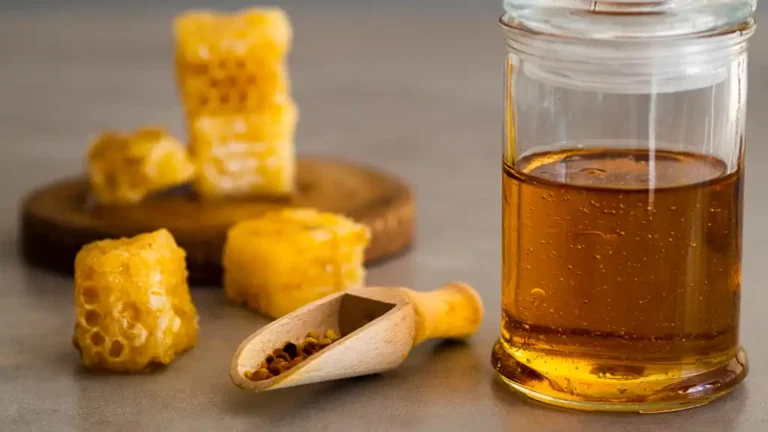

Honey for Cough and Cold
Honey for cough and cold is a popular natural remedy that has been used for generations to soothe irritated throats and provide comfort during common respiratory illnesses. Its smooth texture, pleasant sweetness, and naturally occurring compounds make honey a familiar ingredient in home remedies, particularly when coughing becomes uncomfortable or interferes with sleep.
Modern research has also examined honey’s potential role in relieving cough symptoms, especially in children older than one year. Some clinical studies suggest that honey may reduce the frequency or severity of coughing associated with upper respiratory tract infections. However, honey does not cure the common cold, eliminate respiratory viruses, or replace appropriate medical care.
For consumers interested in natural foods, understanding the difference between symptom relief and disease treatment is essential. Honey may provide temporary comfort, but its effectiveness depends on the individual, the cause of the cough, and the circumstances in which it is used.
Quality also matters when selecting honey. Products vary according to botanical origin, geographical location, processing, storage, and overall composition. Premium European honey, including honey originating from Bosnia and Herzegovina, offers distinctive flavors and natural characteristics that can make honey-based drinks and everyday foods more enjoyable.
This guide explores seven potential benefits of honey during coughs and colds, practical ways to use it, important safety considerations, and how to choose quality honey.
1. Honey for Cough and Cold May Help Soothe an Irritated Throat
One of the most familiar uses of honey during a cold is soothing throat irritation.
Coughing, mouth breathing, and upper respiratory infections can leave the throat feeling dry, scratchy, or uncomfortable. Honey’s thick consistency allows it to coat the mouth and throat temporarily, creating a soothing sensation.
This effect is one reason honey is commonly included in traditional throat remedies.
How honey provides comfort
Honey has a naturally viscous texture.
When swallowed, it can briefly create a coating sensation that may reduce the feeling of dryness or irritation.
This does not mean honey repairs damaged throat tissue or treats the underlying infection.
Instead, it may provide temporary symptomatic comfort.
Potential advantages include:
- A soothing sensation when swallowing
- Temporary relief from throat dryness
- A pleasant alternative to some strongly flavored remedies
- Easy incorporation into warm drinks
- Convenient use at home
For individuals experiencing mild throat irritation, honey can be a practical option when used appropriately.
Honey and sore throat symptoms
A sore throat may accompany a common cold, but it can also result from other conditions.
Honey may make the throat feel more comfortable without addressing the actual cause.
Severe pain, difficulty swallowing, breathing problems, or persistent symptoms require medical evaluation.
The important distinction is that comfort and treatment are not necessarily the same thing.
2. Honey May Reduce Cough Frequency
Another reason people use honey for cough and cold symptoms is its potential effect on coughing.
Research involving children with acute upper respiratory infections has suggested that honey may provide modest improvements in cough symptoms compared with no treatment or some other commonly used approaches.
The strength of evidence varies between studies, and the results should not be interpreted as proof that honey works for every type of cough.
Why coughing occurs
Coughing is a protective reflex.
It helps the respiratory system respond to irritation and clear certain materials from the airways.
During a cold, coughing may result from irritation, inflammation, or mucus associated with the infection.
A cough can continue even after other symptoms begin improving.
Honey may help relieve the sensation of irritation associated with some acute coughs.
However, it does not directly eliminate the viruses responsible for most common colds.
What research suggests
Clinical research has explored honey as a symptomatic treatment for acute cough.
Some studies have reported improvements in parent-rated cough frequency and severity in children older than one year.
However, many studies have limitations, including differences in honey varieties, treatment comparisons, and symptom measurements.
The appropriate conclusion is that honey may offer modest short-term relief for some people.
It should not be presented as a guaranteed cough suppressant.
3. Honey May Improve Comfort Before Bedtime
Coughing often becomes particularly frustrating at night.
Repeated coughing can interrupt sleep and make an already uncomfortable illness feel more exhausting.
This is one reason honey is commonly used before bedtime.
Some clinical studies involving children have reported improvements in nighttime cough symptoms and sleep ratings after honey consumption.
These findings are encouraging, although they do not mean honey consistently improves sleep for everyone.
Why nighttime cough feels worse
Several factors may contribute to nighttime coughing.
Changes in body position, nasal drainage, airway irritation, and environmental conditions can influence symptoms.
For some individuals, lying down may make coughing more noticeable.
Honey may provide temporary throat comfort before sleep.
A simple bedtime approach
For adults and children older than one year, a small amount of honey may be considered for short-term cough relief when appropriate.
It can be taken directly or mixed into a comfortably warm beverage.
Avoid giving honey to infants younger than 12 months under any circumstances.
For children, caregivers should follow age-appropriate medical guidance and avoid assuming that larger quantities provide greater benefits.
Honey remains a sugar-rich food, and excessive consumption is unnecessary.
4. Honey Is Easy to Combine With Warm Beverages
Honey is particularly convenient because it can be incorporated into drinks that people already enjoy during a cold.
Warm beverages may feel comforting when the throat is irritated.
Adding honey provides sweetness and a smooth texture.
Common combinations include:
- Honey with warm water
- Honey with lemon
- Honey in herbal tea
- Honey in caffeine-free beverages
- Honey with ginger-infused water
These combinations are primarily intended for comfort and hydration.
They should not be described as cures for viral infections.
Honey and warm water
A simple honey drink requires only warm water and a modest amount of honey.
Stir until the honey dissolves.
The beverage should be comfortably warm rather than excessively hot.
Very hot drinks can cause burns and worsen discomfort.
Honey and lemon
Lemon is commonly paired with honey because its acidity balances honey’s sweetness.
The combination creates a refreshing drink that many people enjoy during respiratory illnesses.
However, lemon may irritate some individuals, especially those experiencing acid reflux or sensitivity to acidic foods.
The mixture should be adjusted according to personal tolerance.
Honey and ginger
Ginger is another popular ingredient in traditional warm beverages.
Its distinctive flavor combines well with honey.
Although ginger has been investigated for several potential physiological effects, a honey-and-ginger drink should not be presented as a proven treatment for the common cold.
Its main practical advantages are flavor, warmth, and comfort.
5. Honey Contains Naturally Occurring Plant Compounds
Honey is primarily composed of sugars, especially fructose and glucose.
However, it also contains smaller quantities of other substances.
Depending on botanical origin and processing, these may include:
- Organic acids
- Amino acids
- Enzymes
- Minerals
- Phenolic compounds
- Flavonoids
- Other plant-derived components
The amounts and types of these substances differ between honey varieties.
This natural complexity has attracted scientific interest.
Antioxidants in honey
Certain honey varieties contain compounds with antioxidant activity in laboratory testing.
However, laboratory antioxidant measurements do not establish that consuming ordinary honey prevents respiratory infections or accelerates recovery from a cold.
Honey should not be promoted as a replacement for established medical care.
Its potential usefulness for cough relief is a more specific and better-supported topic than broad claims about preventing illness.
Botanical variation matters
Different flowering plants contribute to different honey characteristics.
A honey produced from one botanical source may have a different chemical and sensory profile from honey originating elsewhere.
This variation influences flavor, color, aroma, and other properties.
Consumers should appreciate these differences without assuming that darker, rarer, or more expensive honey is automatically a more effective cough remedy.
6. Honey Offers a Familiar Option for Short-Term Symptom Relief
Many people prefer simple approaches when managing mild symptoms at home.
Honey is widely available, easy to use, and familiar as a food.
For some individuals, it may be a reasonable option for temporary cough relief.
However, its suitability depends on age, health conditions, allergies, and the cause of the symptoms.
Honey is not appropriate for everyone
Important precautions include:
- Never give honey to infants younger than 12 months.
- Avoid honey if you have a known allergy to it.
- Consider its sugar content if managing diabetes or other dietary restrictions.
- Do not use honey to delay necessary medical treatment.
- Seek medical advice for persistent, worsening, or unusual symptoms.
These considerations apply regardless of whether the honey is raw, organic, natural, or commercially processed.
Natural remedies and responsible expectations
Natural products can sometimes provide useful symptom relief.
However, natural origin alone does not establish safety or effectiveness.
A responsible approach evaluates the evidence, the individual, and the severity of symptoms.
Honey can be part of supportive care without being treated as a substitute for professional medical assessment.
7. Quality Honey Provides Flavor and Culinary Versatility
The final advantage is practical rather than medical.
Quality honey can make drinks and foods more enjoyable when someone is feeling unwell.
Different honey varieties offer distinctive aromas and flavor profiles.
Some are delicate and floral, while others are stronger and more aromatic.
These characteristics can make warm beverages more appealing.
Why quality matters
When selecting honey, consider:
- Geographical origin
- Botanical variety
- Product authenticity
- Supplier transparency
- Appropriate labeling
- Storage conditions
- Processing information
A trustworthy product should communicate its identity clearly.
Premium honey does not need exaggerated health claims to justify its value.
European honey varieties
Europe offers a wide range of honey-producing environments.
Depending on geographical region, consumers can find varieties associated with acacia, wildflowers, forests, linden, chestnut, and mountain vegetation.
These different origins create distinctive sensory experiences.
For consumers who appreciate premium honey, choosing a recognizable origin can make everyday use more interesting.
Does Honey Actually Help With a Cough?
The most useful distinction is between relieving a symptom and curing an illness.
Honey may help reduce the discomfort or frequency of certain acute coughs, particularly those associated with upper respiratory infections.
Some clinical evidence supports its use for short-term symptomatic relief in children older than one year.
However, honey does not cure the underlying viral infection.
It also should not be assumed effective for chronic cough, asthma, pneumonia, or other respiratory conditions.
The cause of the cough matters.
If coughing continues for an extended period or is accompanied by concerning symptoms, professional medical evaluation is appropriate.
Can Honey Cure the Common Cold?
No.
The common cold is usually caused by respiratory viruses.
Honey does not eliminate these viruses or reliably shorten the duration of the infection.
Most uncomplicated colds improve naturally over time.
Supportive care may include adequate rest, fluids, and appropriate symptom management.
Honey can be considered for temporary cough comfort, but it should not replace necessary treatment.
Claims that honey cures colds, prevents all infections, or provides guaranteed recovery are misleading.
Honey for Dry Cough
A dry cough does not produce significant mucus.
It may feel irritating, repetitive, or scratchy.
Honey’s thick texture may provide temporary comfort when throat irritation contributes to coughing.
This is one reason it is often used in warm drinks.
However, a dry cough can have many causes, including respiratory infections, allergies, asthma, reflux, medication effects, and environmental irritation.
Honey cannot address all these causes.
Persistent dry coughing should be evaluated rather than repeatedly treated without understanding the underlying problem.
Honey for Wet Cough
A wet or productive cough involves mucus.
Coughing can help clear secretions from the respiratory system.
Honey may soothe associated throat irritation, but it should not be described as a proven method for removing mucus from the lungs.
The appropriate treatment depends on the cause and severity of symptoms.
If a productive cough is accompanied by breathing difficulties, chest pain, blood, persistent fever, or significant deterioration, medical assessment is important.
Honey for Sore Throat
A sore throat commonly accompanies respiratory infections.
Honey may provide temporary soothing comfort because of its consistency and sweetness.
It can be consumed directly or mixed into a warm beverage.
However, sore throat symptoms can also result from bacterial infections, allergies, reflux, and other conditions.
Honey does not replace diagnosis or appropriate treatment when these are needed.
For mild irritation, it may simply make swallowing feel more comfortable.
Honey for Cough and Cold at Night
Nighttime coughing can be especially disruptive.
A comfortably warm honey drink before bed may provide soothing relief for some people.
Maintaining adequate hydration and addressing nasal symptoms appropriately can also be helpful.
However, recurrent nighttime coughing may have causes beyond an ordinary cold.
Asthma, reflux, allergies, and other conditions can contribute.
If symptoms persist or repeatedly disturb sleep, medical evaluation is preferable to relying exclusively on home remedies.
How to Make Honey and Lemon for Cough
Honey and lemon is one of the simplest traditional combinations.
Ingredients
- One cup of comfortably warm water
- One or two teaspoons of honey
- A small amount of fresh lemon juice, according to taste
Preparation
- Warm the water without making it excessively hot.
- Add the honey and stir until dissolved.
- Add lemon juice according to preference.
- Drink slowly while comfortably warm.
This beverage may soothe throat irritation and provide hydration.
It is not a cure for a respiratory infection.
People with reflux or sensitivity to acidic beverages may prefer to omit the lemon.
Honey and Ginger Tea
Honey can also be combined with ginger-infused water.
Prepare ginger tea according to personal preference, allow it to cool to a comfortable drinking temperature, and add a small amount of honey.
The result is a flavorful warm beverage.
Ginger contributes its characteristic spicy aroma, while honey balances the flavor.
There is no need to consume excessive quantities.
The drink should be understood as a comfort measure rather than a substitute for medical treatment.
How Much Honey Should You Take for a Cough?
There is no single universally appropriate amount for every person.
Clinical studies have used different amounts depending on age and study design.
For adults, a modest serving may be sufficient for a soothing effect.
For children older than one year, caregivers should follow age-appropriate medical advice.
Larger amounts are not necessarily more effective and increase sugar consumption.
Children younger than 12 months must never receive honey because of the risk of infant botulism.
Individuals with diabetes or other conditions affecting dietary sugar management should consider their personal medical guidance.
Why Babies Must Never Eat Honey
Honey must not be given to infants under 12 months.
This is because honey can contain spores of Clostridium botulinum, a bacterium associated with infant botulism.
An infant’s developing digestive system may allow these spores to grow and produce toxin.
Infant botulism is a serious medical condition.
The warning applies to all types of honey, including:
- Raw honey
- Organic honey
- Natural honey
- Processed honey
- Premium honey
- Imported honey
Heating honey at home does not make it reliably safe for infants.
Honey should not be added to an infant’s food, water, formula, or drinks.
Can Adults Use Honey Safely?
Most healthy adults can enjoy honey as a food in reasonable quantities.
However, individual circumstances matter.
People with known honey allergies should avoid it.
Those managing diabetes should account for honey’s carbohydrate content.
Individuals experiencing significant respiratory symptoms should not rely on honey as their primary treatment.
For otherwise healthy adults with mild cold-related coughing, honey may provide temporary symptomatic relief.
Is Raw Honey Better for Cough and Cold?
Raw honey is popular because it generally undergoes relatively limited processing.
It may retain more of certain naturally occurring components that can be affected by intensive handling.
However, clinical evidence does not establish that every raw honey is more effective for cough relief than every conventionally processed honey.
Processing method alone does not determine therapeutic effectiveness.
Consumers should choose quality honey based on transparent origin, suitable handling, authenticity, and personal preference.
Natural Honey vs Processed Honey for Cough
Natural and processed honey are frequently presented as opposite categories.
In practice, most honey undergoes some handling after extraction.
The degree of heating, filtration, and other processing can vary significantly.
For cough relief, the evidence does not justify claiming that only completely unprocessed honey can provide a soothing effect.
The most important considerations remain product suitability, safety, and realistic expectations.
Organic Honey for Cough
Organic honey is produced according to applicable organic standards and certification requirements.
However, organic certification does not establish that a product is a superior cough treatment.
Organic, raw, and natural are different descriptions.
A honey can be raw without being certified organic.
A honey can also come from a natural landscape without qualifying for organic certification.
Consumers should verify relevant certification when organic production standards are important to them.
Does Dark Honey Work Better?
Dark honey varieties may contain higher concentrations of certain phenolic compounds than some lighter varieties, although composition varies considerably.
However, color alone does not establish clinical effectiveness for cough relief.
A darker honey is not automatically a better remedy.
Similarly, a lighter floral honey is not necessarily less suitable.
Consumers should avoid judging medical effectiveness based on color, price, or rarity.
Can Honey Prevent Colds?
There is insufficient evidence to conclude that ordinary honey consumption prevents common colds.
Colds are caused by respiratory viruses.
Reducing infection risk involves established preventive measures, including appropriate hygiene and avoiding unnecessary exposure when possible.
General health also depends on adequate sleep, balanced nutrition, and other lifestyle factors.
Honey can be part of a normal diet, but it should not be promoted as a guaranteed immune booster or infection-prevention product.
Honey and the Immune System
Honey contains some plant-derived compounds that have attracted scientific interest.
However, the immune system is complex.
No single food can reliably strengthen every aspect of immune function or guarantee protection against respiratory infections.
Honey is predominantly a source of carbohydrates.
Its naturally occurring minor compounds do not justify treating it as a replacement for a varied diet.
The strongest approach is to appreciate honey as a food while maintaining realistic health expectations.
Honey Compared With Cough Medicines
Honey has been studied as a possible option for relieving acute cough symptoms, particularly in children.
Some research suggests modest benefits compared with no treatment or certain other interventions.
However, study quality and findings vary.
Honey should not automatically replace prescribed medications or treatments recommended for specific medical conditions.
Many over-the-counter cough products also have age restrictions or limited evidence for particular uses.
Parents should seek appropriate medical guidance before giving cough medicines to young children.
For adults, treatment decisions depend on the cause of the cough and other health considerations.

When Should You See a Doctor?
Most uncomplicated colds improve without major medical intervention.
However, certain symptoms require attention.
Seek urgent medical care for significant breathing difficulty, blue or gray lips, severe chest pain, confusion, or other signs of serious illness.
Medical evaluation is also appropriate for:
- Persistent or worsening fever
- Coughing up blood
- Significant dehydration
- Symptoms that worsen after initial improvement
- A cough lasting several weeks
- Repeated nighttime coughing
- Symptoms in individuals at higher risk of complications
Infants, older adults, pregnant individuals, and people with significant underlying medical conditions may require additional caution.
Honey should never delay necessary medical care.
Choosing Quality Honey for Everyday Use
Consumers interested in honey for cough and cold should evaluate the actual product rather than relying on dramatic marketing promises.
Important information includes geographical origin, product identity, processing, supplier transparency, and appropriate labeling.
A premium honey should have a credible origin and enjoyable flavor.
Its value should not depend on unsupported claims about curing illness.
What to check on the label
Look for:
- Country of origin
- Honey variety, where identified
- Producer or supplier information
- Ingredient declaration
- Net quantity
- Storage instructions
- Relevant certification when claimed
- Traceability information where available
These details help consumers make informed purchasing decisions.
Why Honey Origin Matters
Honey reflects the geographical and botanical environment in which it is produced.
Different plants contribute different nectar sources, influencing aroma, flavor, color, and composition.
Climate, altitude, season, and local vegetation can also affect the final product.
This creates considerable diversity between honey-producing regions.
For consumers interested in premium foods, geographical origin can provide meaningful differentiation.
However, origin alone does not prove superior cough-relieving effectiveness.
European Honey and Traditional Food Culture
Europe contains a wide variety of honey-producing environments.
Forests, mountain meadows, agricultural landscapes, and flowering valleys support different honey varieties.
European honey can include products associated with acacia, linden, wildflowers, forests, and other botanical sources.
Honey has also been used traditionally in European food culture, including warm beverages and home preparations consumed during seasonal illnesses.
Traditional use can explain cultural popularity, but it should not automatically be interpreted as clinical proof.
Bosnian Honey and Natural Diversity
Bosnia and Herzegovina offers a distinctive European environment for honey production.
The country includes mountains, forests, meadows, valleys, rivers, and varied flowering vegetation.
These landscapes create different forage opportunities for bees depending on location and season.
Bosnia and Herzegovina also has an established tradition of beekeeping.
For international consumers, Bosnian honey offers a recognizable geographical origin with the potential for diverse flavor profiles.
What makes Bosnian honey interesting?
Several characteristics support its premium positioning:
- European geographical identity
- Diverse natural landscapes
- Regional botanical variation
- Established beekeeping traditions
- Distinctive flavor possibilities
- Opportunities for traceable sourcing
These qualities provide legitimate reasons to explore Bosnian honey without claiming it cures respiratory illnesses.
Honey for Cough and Cold in Qatar
Honey has a familiar place in food culture across Qatar and the wider Gulf region.
Consumers can choose from local, regional, and imported varieties.
Premium European honey can complement this selection with different geographical origins and flavor profiles.
For consumers interested in honey for cough and cold in Qatar, the same safety principles apply as elsewhere.
Honey may offer temporary soothing relief for certain cough symptoms, but it does not cure respiratory infections.
It must never be given to infants younger than 12 months.
Products should be selected according to quality, authenticity, origin, and personal preferences rather than exaggerated health claims.
Honey for Cough and Cold in the Middle East
Across the Middle East, honey is widely appreciated as a food and traditional ingredient.
It is commonly enjoyed with breakfast, desserts, beverages, and other foods.
Its use in warm drinks during seasonal illnesses is also familiar in many households.
Imported European honey can add diversity to the available selection.
However, health-related marketing should remain responsible.
Claims about treating respiratory diseases, preventing infections, or replacing medical treatment require appropriate evidence and regulatory consideration.
BeeJapa and Premium Bosnian Honey
BeeJapa focuses on presenting premium Bosnian honey and bee-based products to international markets.
The brand’s identity is connected to Bosnia and Herzegovina, a European country characterized by mountains, forests, valleys, meadows, diverse vegetation, and established beekeeping traditions.
For consumers exploring premium honey, Bosnian origin provides an opportunity to experience distinctive geographical and botanical characteristics.
BeeJapa’s strongest positioning comes from quality, authentic origin, transparent product information, and professional presentation.
Honey can be enjoyed in warm beverages and everyday meals, including during periods of mild throat discomfort.
However, premium honey should not be marketed as a cure for coughs, colds, or respiratory diseases.
Responsible communication helps consumers understand both the product’s qualities and its limitations.
Honey for Retailers and Distributors
Retailers and distributors selling honey internationally should distinguish between traditional use and scientifically established health claims.
Honey can be promoted through its flavor, origin, botanical characteristics, packaging, and culinary versatility.
Where health-related information is provided, it should accurately reflect available evidence and applicable market regulations.
A product should not be marketed as preventing or curing respiratory infections without appropriate authorization and supporting evidence.
For premium Bosnian honey, geographical identity offers a strong marketing foundation without requiring exaggerated medical promises.
How to Store Honey Properly
Honey should be stored in a suitable, properly closed container.
A dry location away from excessive heat and direct sunlight is generally appropriate, subject to the product’s specific storage instructions.
Temperature can influence crystallization and certain quality characteristics.
Many authentic honeys crystallize naturally over time.
Crystallization does not automatically mean that honey has spoiled.
Consumers should avoid unnecessary overheating when attempting to restore a liquid texture.
Can Crystallized Honey Still Be Used?
Yes, properly stored crystallized honey can generally still be enjoyed.
Crystallization is a natural process influenced by sugar composition and temperature.
Some varieties crystallize quickly, while others remain liquid longer.
Crystallized honey can be stirred into warm beverages or used in foods.
It does not need to remain perfectly liquid to be suitable for everyday consumption.
However, crystallization alone does not prove authenticity.
Common Myths About Honey and Colds
Several popular claims deserve clarification.
Myth: Honey kills every cold virus
There is no reliable evidence that eating ordinary honey eliminates all viruses responsible for common colds.
Myth: More honey means faster recovery
Larger quantities do not guarantee greater symptom relief and increase sugar consumption.
Myth: Raw honey always works better
Evidence does not establish that every raw honey provides superior cough relief compared with every processed variety.
Myth: Honey is safe for babies because it is natural
Honey is unsafe for infants younger than 12 months because of the risk of infant botulism.
Myth: Expensive honey is always more effective
Price, rarity, and packaging do not reliably predict cough-relieving effectiveness.
Understanding these distinctions helps consumers make safer decisions.
The Importance of Responsible Natural Health Information
Natural foods can be valuable parts of everyday life, but responsible communication matters.
Consumers should be able to distinguish between a product’s culinary qualities, traditional uses, and clinically supported effects.
Honey is a useful example.
Its soothing properties and potential short-term benefits for certain acute coughs have been investigated.
However, this does not justify presenting honey as a universal treatment for respiratory illness.
Premium brands build stronger credibility by communicating realistic benefits and avoiding unsupported claims.
Conclusion
Honey for cough and cold may offer useful short-term comfort, particularly when coughing is associated with mild upper respiratory infections and throat irritation. Its thick texture can provide a soothing sensation, while some clinical studies suggest that honey may modestly reduce cough frequency and nighttime symptoms in children older than one year.
The seven potential advantages discussed in this guide include throat comfort, possible cough reduction, improved nighttime comfort, easy use in warm beverages, naturally occurring plant compounds, convenient short-term symptom management, and culinary versatility.
However, honey does not cure the common cold, eliminate respiratory viruses, or replace necessary medical care. It must never be given to infants younger than 12 months, and individuals with persistent or severe symptoms should seek appropriate medical advice.
For consumers interested in premium European honey, Bosnia and Herzegovina offers a distinctive origin shaped by diverse landscapes, regional flowering vegetation, and established beekeeping traditions.
BeeJapa brings this Bosnian identity into an international context through premium honey and bee-based products.
Ultimately, honey for cough and cold is best understood as a potentially soothing food that may complement appropriate supportive care, not as a guaranteed treatment or cure.
FAQ
Is honey good for cough and cold symptoms?
Honey may provide temporary relief from throat irritation and certain acute cough symptoms. Some clinical studies suggest modest improvements in cough frequency and nighttime discomfort, particularly in children older than one year. Honey does not cure the underlying respiratory infection.
How should I use honey for cough and cold?
Honey can be consumed in a modest amount directly or mixed into a comfortably warm beverage. It may help soothe throat irritation. The appropriate approach depends on age, individual health considerations, and the cause of symptoms.
Can honey stop coughing at night?
Honey may reduce nighttime coughing for some individuals, but it does not guarantee complete relief. Persistent or recurrent nighttime coughing should be medically evaluated.
Is honey and lemon good for a sore throat?
Honey and lemon in warm water can provide a comforting drink. Honey may temporarily soothe irritation, while lemon adds flavor. The mixture does not cure infections, and lemon may aggravate symptoms in people sensitive to acidic foods.
Is raw honey better for cough relief?
Raw honey is generally less intensively processed, but available clinical evidence does not establish that every raw honey is more effective for cough relief than every conventionally processed honey.
Can children take honey for a cough?
Children older than 12 months may be able to use honey for short-term cough relief when appropriate. Honey must never be given to infants younger than one year because of the risk of infant botulism. Caregivers should follow age-appropriate medical advice.
Can honey cure a cold?
No. Honey does not cure the common cold or eliminate the viruses responsible for it. It may provide temporary relief from certain symptoms.
Is Bosnian honey suitable for warm drinks?
Yes. Quality Bosnian honey can be enjoyed in warm drinks and everyday foods. Its distinctive European origin and potential floral diversity make it interesting for consumers who appreciate premium honey.
Can I use honey instead of cough medicine?
Honey may be considered for temporary relief of some uncomplicated acute coughs, but it should not automatically replace prescribed medication or treatment for an underlying medical condition. Consult an appropriate healthcare professional when symptoms are persistent, severe, or concerning.
Does honey boost immunity against colds?
There is insufficient evidence that ordinary honey consumption prevents colds or reliably boosts immune protection against respiratory viruses. Honey can be enjoyed as part of a balanced diet, but it should not be considered an infection-prevention treatment.