How To Choose Pure Honey
Choosing honey may seem simple at first, but today’s market offers a wide variety of products that differ significantly in quality, origin, and authenticity. Many consumers assume that all honey is the same, yet the reality is quite different. Production methods, floral sources, processing techniques, and supplier standards can all influence the final product.
Understanding how to choose pure honey is important for anyone who values natural food products and wants confidence in their purchasing decisions. Whether buying honey for personal use, gifting, retail purposes, or wholesale distribution, knowing what to look for can help avoid disappointment and improve product satisfaction.
This guide explores eleven essential buying tips that will help you better understand how to choose pure honey and make informed decisions when comparing different products.
Why Honey Quality Matters
Honey is one of the oldest natural foods consumed by humans. Its popularity continues to grow because consumers increasingly seek products that are authentic, minimally processed, and naturally sourced.
However, not all honey available on the market offers the same quality. Differences in production methods, storage conditions, and sourcing practices can affect taste, appearance, consistency, and overall consumer experience.
Learning how to choose pure honey allows buyers to focus on quality indicators rather than relying solely on packaging or marketing claims.
11 Essential Buying Tips For Choosing Pure Honey
1. Check The Product Origin
One of the first steps in understanding how to choose pure honey is examining the product’s origin.
Reputable producers usually provide clear information about where the honey was produced. Transparent origin information demonstrates confidence in the product and helps consumers make informed decisions.
Honey sourced from regions with rich biodiversity and strong beekeeping traditions often attracts greater consumer trust.
Understanding origin also provides insight into floral sources and production conditions.
2. Look For Clear Label Information
Product labels should contain relevant information about the honey being sold.
A quality honey product typically includes details regarding origin, producer information, packaging specifications, and storage recommendations.
When learning how to choose pure honey, clear labeling is often one of the simplest indicators of professionalism and transparency.
Consumers should be cautious when product information appears vague or incomplete.
3. Evaluate Product Consistency
Honey naturally varies in texture depending on floral source, climate conditions, and storage environment.
Some varieties remain liquid for extended periods, while others crystallize more quickly. Both conditions can occur naturally.
Consistency alone does not determine quality, but understanding natural variation helps consumers avoid incorrect assumptions.
Observing texture can provide useful insight when comparing products.
4. Consider The Reputation Of The Supplier
A trusted supplier often represents one of the strongest indicators of product quality.
Businesses and consumers alike benefit from working with suppliers who demonstrate professionalism, transparency, and consistency.
Supplier reputation can be evaluated through product information, business history, customer feedback, and market presence.
This is one of the most practical factors when determining how to choose pure honey with confidence.
5. Pay Attention To Packaging Quality
Packaging plays an important role in product presentation and protection.
Professional packaging helps preserve honey quality while improving consumer trust.
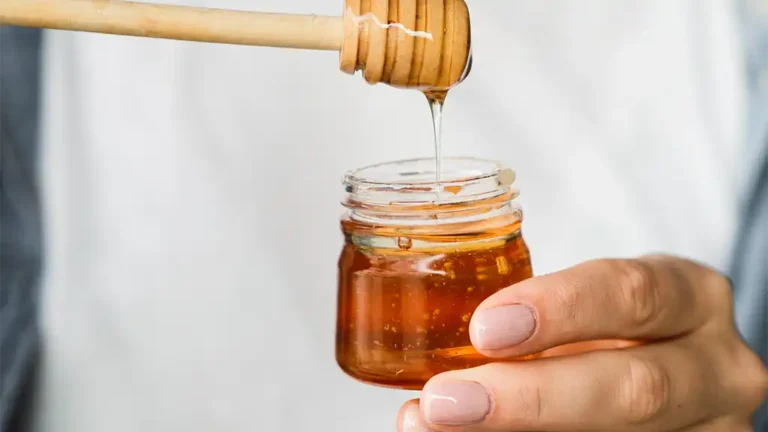
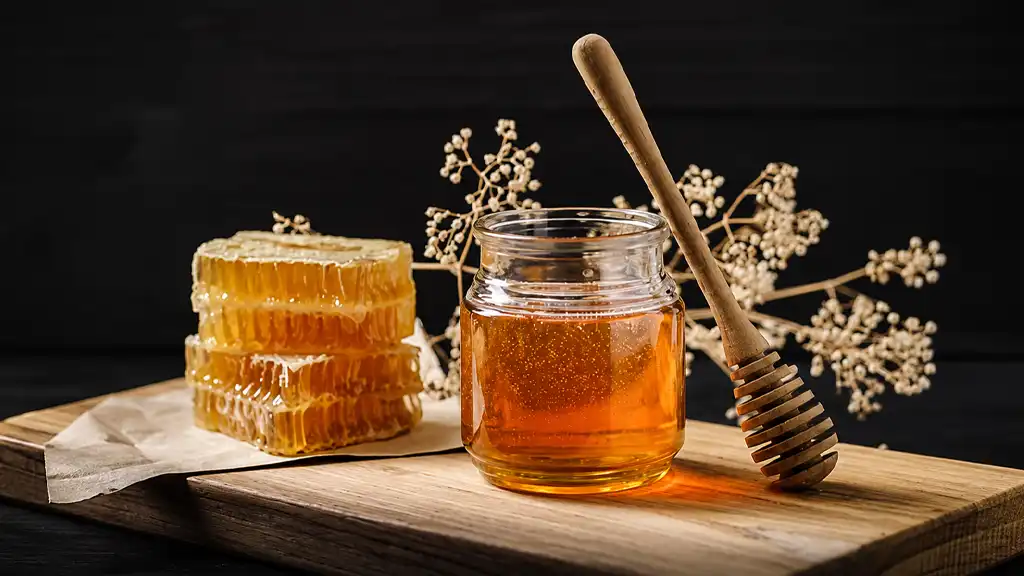
Glass jars are commonly associated with premium honey products because they protect the product and allow consumers to evaluate appearance.
Well-designed labels and secure packaging often reflect greater attention to quality standards.
6. Understand Different Honey Varieties
Different floral sources create different honey varieties.
Wildflower honey, forest honey, acacia honey, mountain honey, and herbal honey each offer unique characteristics related to flavor, aroma, and appearance.
Understanding these differences helps consumers select products that match their personal preferences.
Knowledge of honey varieties is an important part of learning how to choose pure honey effectively.
7. Look For Traceability
Traceability has become increasingly important within modern food markets.
Consumers appreciate products that provide information regarding sourcing, production, and supply chains.
Traceable products allow buyers to better understand the journey from hive to shelf.
Businesses also benefit from traceability because it supports quality assurance and customer confidence.
8. Consider Production Standards
Production standards influence product consistency and reliability.
Professional honey producers often implement structured quality control procedures that help maintain stable product characteristics.
While standards may vary between producers, attention to quality management demonstrates commitment to product excellence.
When evaluating how to choose pure honey, production standards should never be overlooked.
9. Compare Flavor And Aroma
Flavor and aroma remain among the most important characteristics of any honey product.
Different floral sources naturally create different sensory experiences.
Some honey varieties offer delicate floral notes, while others present stronger and more robust flavors.
Consumers who explore multiple varieties often gain a better understanding of quality differences and personal preferences.
10. Understand Seasonal Variations
Honey is a natural product influenced by environmental conditions.
Seasonal changes affect flowering periods, nectar availability, and honey characteristics.
As a result, natural variations between harvests can occur even when products come from the same region.
Recognizing these seasonal influences helps consumers develop realistic expectations regarding honey products.
11. Buy From Trusted Producers
Perhaps the most important recommendation when learning how to choose pure honey is selecting trusted producers.
Producers who focus on transparency, quality control, and professional presentation are often better positioned to deliver consistent products.
Building long-term relationships with reliable suppliers benefits both individual consumers and commercial buyers.
Trust remains one of the strongest foundations of successful purchasing decisions.
Common Misconceptions About Honey
Many misconceptions continue to circulate regarding honey quality.
One common misconception is that all honey should always remain liquid. In reality, crystallization is a natural process that occurs in many honey varieties.
Another misconception is that darker honey is always superior to lighter honey. Different varieties offer different characteristics, and quality depends on multiple factors rather than color alone.
Consumers also sometimes assume that expensive honey automatically guarantees better quality. Price can be influenced by many variables, including packaging, branding, and production volume.
Understanding these misconceptions helps buyers make more objective purchasing decisions.
Why Transparency Matters
Transparency has become a major priority within food industries worldwide.
Consumers increasingly want to know where products originate, how they are produced, and who stands behind them.
Honey producers who provide detailed information create stronger confidence among buyers.
Transparency also supports long-term customer relationships and helps differentiate premium products from generic alternatives.
As market competition increases, transparent communication becomes even more valuable.
The Role Of Environment In Honey Quality
Environmental conditions play a major role in shaping honey characteristics.
Healthy ecosystems provide bees with access to diverse nectar sources and support stronger bee populations.
Regions with forests, mountains, wildflowers, and diverse plant species often produce honey with distinctive characteristics.
Environmental quality influences not only flavor and aroma but also consumer perception of authenticity.
Many premium honey products are closely associated with specific landscapes and natural environments.
Why Businesses Need Reliable Honey Suppliers
Businesses face different challenges than individual consumers when purchasing honey.
Retailers, distributors, and food manufacturers require consistent supply volumes, reliable quality standards, and professional communication.
Understanding how to choose pure honey at the supplier level helps businesses reduce risks and improve customer satisfaction.
Reliable suppliers provide documentation, quality assurance procedures, and long-term support that contribute to operational stability.
As consumer expectations continue rising, supplier reliability becomes increasingly important.
Market Trends Influencing Honey Purchases
Several trends are influencing purchasing decisions within the honey market.
Consumers increasingly seek natural products with authentic origins and transparent sourcing information.
Interest in premium food products continues growing, creating opportunities for producers who emphasize quality and consistency.
Sustainability is also becoming more important. Buyers are paying greater attention to environmental responsibility and ethical production practices.
These trends encourage producers to improve transparency, product presentation, and customer communication.
The Future Of Honey Purchasing Decisions
The future of honey purchasing will likely become even more focused on quality, authenticity, and traceability.
Consumers will continue seeking products that provide confidence and align with their personal values.
Technology may improve traceability systems and allow producers to communicate product information more effectively.
At the same time, traditional strengths such as trust, consistency, and quality will remain essential factors influencing purchasing decisions.
Understanding how to choose pure honey will continue helping consumers and businesses navigate an increasingly competitive marketplace.
Conclusion
Understanding how to choose pure honey is not about finding a single perfect indicator. Instead, it involves evaluating multiple factors including origin, transparency, supplier reputation, packaging quality, traceability, and production standards.
Consumers who take time to examine these elements are more likely to make confident purchasing decisions and find products that meet their expectations.
As demand for authentic and premium honey products continues growing, the ability to recognize quality becomes increasingly valuable.
By following these eleven essential buying tips, consumers and businesses can better understand how to choose pure honey and identify products that offer consistency, reliability, and long-term value.
FAQ
How can I choose pure honey with confidence?
Focus on product origin, supplier reputation, traceability, packaging quality, and transparency regarding production practices.
Does crystallization mean honey is low quality?
No. Crystallization is a natural process that occurs in many honey varieties and does not automatically indicate poor quality.
Why is product origin important when choosing honey?
Origin provides insight into environmental conditions, floral sources, and production practices that influence product characteristics.
Should I always buy the most expensive honey available?
Not necessarily. Price alone does not determine quality. Consumers should evaluate multiple factors before making a decision.
Why is traceability important in honey products?
Traceability helps consumers understand where the product comes from and supports confidence in sourcing and quality standards.