High Quality Honey Europe
High quality honey Europe producers are increasingly recognized for delivering premium honey products that combine natural purity, floral diversity, and trusted production standards. Across Europe, different climates and ecosystems create ideal conditions for beekeeping, allowing producers to offer honey with unique characteristics and consistent quality. As consumers continue searching for authentic and traceable food products, high quality honey Europe suppliers are gaining stronger positions in international markets.
Modern buyers expect more than basic sweetness from honey products. They look for transparency, origin, quality control, and professional presentation. In this environment, high quality honey Europe producers stand out because they combine traditional beekeeping knowledge with modern production standards. This article explores the most important factors that define high quality honey Europe products and explains why they continue gaining market value worldwide.
Why Europe Is Known For Premium Honey Production
Europe has a long tradition of beekeeping that dates back centuries. Many regions developed unique methods based on local climates, floral diversity, and seasonal conditions. This experience continues influencing honey production today.
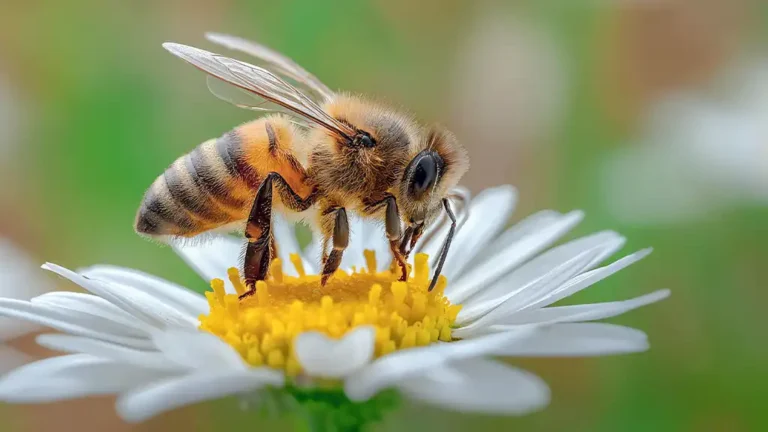
High quality honey Europe products benefit from diverse natural environments. Mountain regions, forests, meadows, and Mediterranean landscapes provide bees with access to a wide range of nectar sources. Different floral origins influence taste, aroma, color, and texture.
Another important factor is food regulation. European production standards are often strict, requiring producers to maintain hygiene, traceability, and quality control throughout the production process.
6 Trusted Quality Standards Of High Quality Honey Europe Products
1. Natural Purity
One of the main characteristics of high quality honey Europe products is natural purity. Producers focus on maintaining honey in its original form without unnecessary additives or excessive processing.
Environmental conditions also play an important role. Regions with lower industrial activity and healthier ecosystems support cleaner honey production.
Consumers increasingly value products that come from preserved natural environments.
2. Diverse Floral Sources
High quality honey Europe suppliers benefit from rich floral diversity. Bees collect nectar from wildflowers, herbs, forests, mountain plants, and agricultural landscapes.
This variety creates different honey profiles suitable for different consumer preferences. Some varieties are light and floral, while others are darker and more intense.
Floral diversity also supports product differentiation in premium markets.
3. Traditional Beekeeping Combined With Modern Standards
Many producers continue using traditional beekeeping knowledge passed down through generations. At the same time, they apply modern hygiene and production systems.
This combination allows high quality honey Europe suppliers to maintain authenticity while meeting current market expectations.
Technology is increasingly used for hive monitoring, quality testing, and logistics management without compromising natural production methods.
4. Quality Control And Testing
Quality control is essential in premium honey production. High quality honey Europe producers often test products for moisture content, purity, composition, and consistency.
Laboratory analysis helps ensure compliance with both local and international standards. These procedures also increase buyer confidence.
Consistent quality is especially important for wholesale and export partnerships.
5. Professional Packaging And Presentation
Packaging significantly affects how honey is perceived by consumers. High quality honey Europe suppliers invest in clean, modern, and professional presentation.
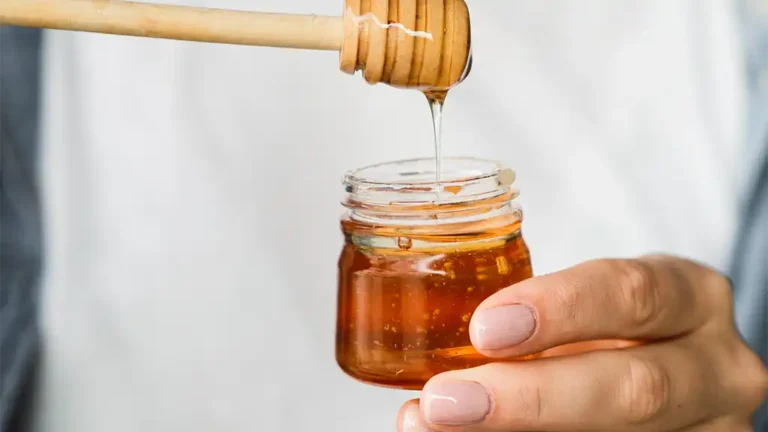
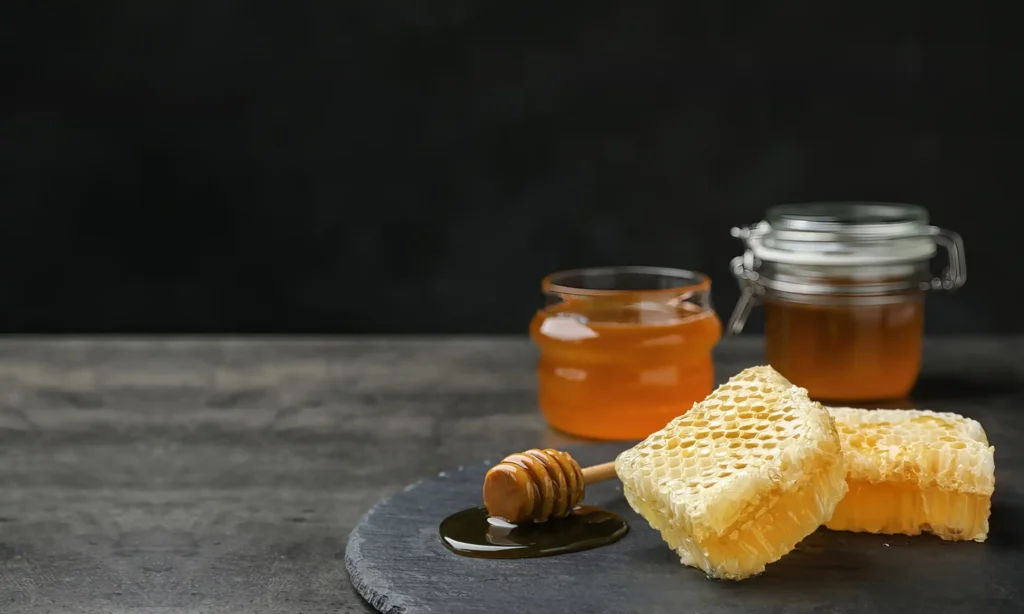
Glass jars remain one of the most common premium packaging formats because they help preserve product quality and improve visual appeal.
Strong branding and consistent packaging also support long-term market positioning.
6. Export Readiness
Many high quality honey Europe producers are prepared for international distribution. They provide documentation, certifications, and logistics support required for export markets.
Reliable supply chains and standardized packaging formats make cooperation easier for distributors and retailers worldwide.
The Role Of Environment In Honey Quality
Natural environment directly influences honey quality. Climate conditions, plant diversity, and ecosystem health all affect the characteristics of honey.
Mountain regions often produce honey with stronger aromas due to wild herbs and forest vegetation. Meadow areas may produce lighter floral varieties preferred in other market segments.
Healthy bee populations are also closely connected to environmental quality. Regions with cleaner ecosystems support more stable honey production.
Why Consumers Prefer High Quality Honey Europe Products
Consumers today are more informed about food quality than ever before. Many actively search for products with clear origin, natural composition, and transparent production methods.
High quality honey Europe products align with these expectations because they are often associated with tradition, authenticity, and reliability.
Another important factor is taste. Different floral sources create more complex flavor profiles compared to heavily processed alternatives.
Consumers are also increasingly willing to pay more for premium food products that offer better quality and stronger product identity.
Traditional Honey Varieties Across Europe
Europe offers a wide range of honey varieties depending on region and climate conditions. Forest honey, acacia honey, chestnut honey, wildflower honey, and mountain honey are among the most recognized types.
Each variety has distinct characteristics influenced by nectar source and production environment. Some are lighter and sweeter, while others have stronger and more aromatic flavors.
This diversity allows high quality honey Europe producers to target different market segments and consumer preferences.
Sustainability And Responsible Beekeeping
Sustainability has become an important topic within the honey industry. Healthy bee populations are essential for biodiversity and agricultural ecosystems.
Many high quality honey Europe suppliers support responsible beekeeping practices designed to protect bee habitats and reduce environmental pressure.
Consumers increasingly value products connected to environmental responsibility and sustainable production methods.
Long-term sustainability also helps maintain stable honey production and protect future supply.
Packaging Trends In Premium Honey Markets
Packaging trends continue evolving in premium food markets. Modern consumers often prefer minimalist and clean packaging that communicates authenticity and quality.
High quality honey Europe producers increasingly use premium labels, glass containers, and standardized branding strategies to strengthen market appeal.
Packaging must also meet practical requirements related to transport, storage, and export regulations.
For wholesale markets, larger packaging formats and private-label options are becoming increasingly important.
Business Opportunities In Premium Honey Markets
The global premium food sector continues growing, creating strong opportunities for high quality honey Europe producers.
Retailers and distributors benefit from offering products that stand out due to authenticity and premium positioning. Honey with clear origin and strong branding often achieves higher perceived value.
Export partnerships are also becoming more common as international demand for natural and traceable products increases.
Businesses that invest in quality control, presentation, and professional cooperation systems are more likely to achieve long-term success.
Challenges Facing European Honey Producers
Despite positive market trends, producers also face challenges. Climate change can affect flowering seasons and nectar availability, influencing honey production volumes.
Competition from low-cost and counterfeit honey products is another issue. Maintaining transparency and consistent quality is essential for protecting consumer trust.
Producers must also continue adapting to changing regulations and market expectations.
Strong branding and product differentiation are becoming increasingly important in competitive international markets.
The Future Of High Quality Honey Europe Markets
The future of high quality honey Europe markets remains promising. Consumer interest in natural, authentic, and premium food products continues increasing worldwide.
Producers who focus on sustainability, quality assurance, and professional branding are likely to strengthen their market positions further.
Innovation in packaging, logistics, and digital marketing will also influence future market growth.
As international demand expands, European honey producers have strong opportunities to build new partnerships and reach broader audiences.
Conclusion
High quality honey Europe producers combine natural environments, traditional beekeeping knowledge, and modern quality standards to deliver premium honey products for global markets.
Floral diversity, natural purity, and professional production systems help European honey maintain strong market recognition and consumer trust.
As demand for premium and traceable food products continues growing, high quality honey Europe products remain well positioned for long-term success in both retail and wholesale sectors.
FAQ
What defines high quality honey Europe products?
Natural purity, floral diversity, quality control, and professional production standards are key factors that define premium European honey.
Why is floral diversity important in honey production?
Different nectar sources influence taste, aroma, texture, and product characteristics, creating unique honey varieties.
Are European honey producers prepared for export markets?
Yes, many producers provide certifications, documentation, and packaging systems suitable for international distribution.
Why do consumers prefer premium honey products?
Consumers value authenticity, traceability, natural composition, and better flavor profiles.
How do producers maintain honey quality?
They use controlled harvesting methods, laboratory testing, proper storage, and professional packaging systems.