Premium European Honey
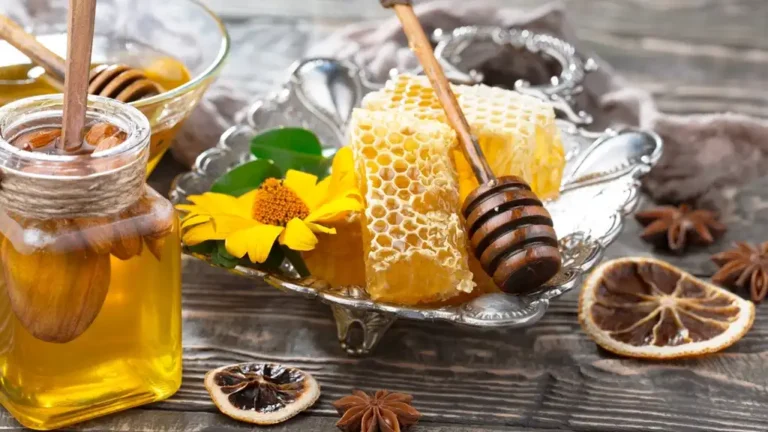
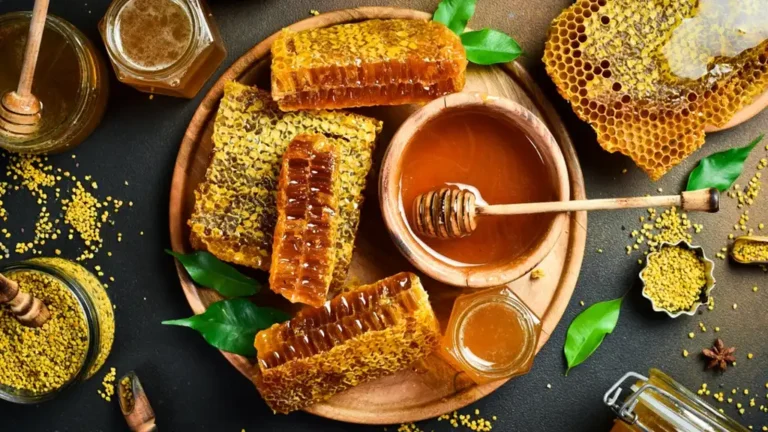
Premium European honey is recognized worldwide for its purity, diverse flavor profiles, and high production standards. Across Europe, beekeeping traditions have developed over centuries, combining natural environments with experienced craftsmanship to produce honey that meets modern quality expectations. From mountain regions to wildflower meadows, European landscapes contribute directly to the characteristics that define premium honey products.
As global consumers increasingly seek authentic and traceable food products, premium European honey continues to gain attention in both retail and wholesale markets. This article explores the essential quality standards, production methods, and market value that make premium European honey a trusted choice for consumers and businesses alike.
What Defines Premium European Honey
Premium European honey is shaped by several important factors. The first is the natural environment. Europe offers diverse ecosystems that provide bees with access to a wide range of nectar sources. Different climates, altitudes, and floral varieties influence the taste, aroma, and texture of honey.
Another key factor is production quality. Many European producers follow strict standards related to harvesting, processing, and packaging. These standards help maintain consistency and product integrity throughout the supply chain.
Traditional beekeeping also plays a major role. In many regions, beekeeping knowledge has been passed down through generations. Producers combine these traditional methods with modern quality control systems to ensure reliable results.
5 Essential Quality Standards Of Premium European Honey
1. Natural Purity
Premium European honey is valued for its natural composition. Producers focus on maintaining purity by reducing unnecessary processing and protecting the honey’s original characteristics.
The quality of the surrounding environment directly affects the final product. Regions with clean air, healthy vegetation, and low industrial activity support better honey production conditions.
2. Diverse Floral Sources
One of the defining strengths of premium European honey is floral diversity. Bees collect nectar from various plants, including wildflowers, herbs, forest vegetation, and cultivated crops.
This diversity creates unique flavor profiles and allows producers to offer different honey varieties. Depending on the region, honey may have light floral notes or deeper, more intense flavors.
3. Controlled Production Standards
European honey producers often operate under structured production systems. These include hygiene standards, controlled harvesting practices, and proper storage conditions.
Maintaining stable moisture levels, protecting nutritional content, and ensuring product consistency are essential parts of premium honey production.
4. Traceability And Transparency
Traceability is becoming increasingly important in the global food industry. Premium European honey suppliers often provide detailed information about origin, production methods, and quality testing.
This transparency builds trust with both consumers and business partners. Buyers want confidence that the honey they purchase matches the claims presented on labels and marketing materials.
5. Export And Market Readiness
Premium European honey is often prepared for international distribution. Producers invest in packaging, documentation, and logistics systems that support global trade requirements.
Consistent packaging formats and compliance with food safety standards make European honey attractive for retail chains, distributors, and specialty stores.
Why Europe Is Known For High-Quality Honey
Europe has a long history of honey production. Different regions have developed their own beekeeping traditions based on local climate conditions and available plant species.
Mountain landscapes, forests, and protected natural areas create favorable conditions for bees. These environments support healthy ecosystems and contribute to the overall quality of honey.
Another reason for Europe’s strong reputation is regulatory oversight. Food production standards in many European countries are strict, helping maintain product reliability and consumer trust.
The Role Of Climate And Flora
Climate has a direct impact on honey production. Seasonal changes influence flowering periods and nectar availability, which affects both quantity and flavor.
In Southern Europe, warmer climates support Mediterranean floral varieties. In Central and Eastern Europe, forests and wildflower meadows contribute to different honey characteristics.
This regional diversity is one of the reasons premium European honey remains attractive in international markets. Buyers can choose products based on specific flavor profiles and production origins.
Traditional Beekeeping And Modern Standards
Traditional beekeeping methods continue to shape premium European honey production. Many producers maintain practices developed over generations while also adopting modern quality systems.
This combination provides several advantages. Traditional methods help preserve authenticity, while modern systems improve hygiene, consistency, and traceability.
Technology is also increasingly used in monitoring hive health and optimizing production conditions without compromising natural processes.
Packaging And Product Presentation
Packaging plays an important role in the perception of premium European honey. Consumers often associate quality with clean, professional presentation.
Glass jars remain one of the most popular packaging formats because they preserve product quality and support premium positioning. Labels and branding also influence purchasing decisions.
For wholesale and export markets, producers may offer multiple packaging options, including retail jars, bulk containers, and customized solutions for private-label partnerships.
Health-Conscious Consumer Demand
Modern consumers are paying more attention to natural food products. Premium European honey aligns with this trend because it is often viewed as a more natural alternative to processed sweeteners.
Consumers are also increasingly interested in product origin and authenticity. Honey that can be traced back to specific regions or producers often gains stronger market appeal.
As awareness around natural products grows, premium honey continues to strengthen its position within both mainstream and specialty food categories.
Sustainability And Bee Protection
Sustainability is becoming more important within the honey industry. Healthy bee populations are essential not only for honey production but also for broader environmental balance.
Many European producers support sustainable practices designed to protect bee habitats and reduce environmental pressure. Responsible beekeeping contributes to long-term product stability and ecosystem health.
Consumers and businesses increasingly value suppliers who demonstrate environmental responsibility and ethical production practices.
Business Opportunities In Premium Honey Markets
Premium European honey offers strong business potential. Retailers benefit from offering products with premium positioning and strong consumer appeal.
Distributors and importers also value consistency and quality assurance. Reliable supply chains and professional packaging support long-term cooperation.
As demand for premium food products continues to expand globally, honey producers have opportunities to strengthen international partnerships and enter new markets.
Challenges Facing The Honey Industry
Despite growing demand, the honey industry also faces challenges. Climate change, environmental pressure, and counterfeit products affect global honey markets.
Maintaining product authenticity is increasingly important. Producers must continue investing in quality control and transparency to protect consumer trust.
Competition is also increasing, making branding and differentiation essential for long-term success.
The Future Of Premium European Honey
The future of premium European honey remains strong due to growing interest in natural and traceable food products. Consumers are becoming more selective about quality and origin, creating opportunities for producers who maintain high standards.
Innovation in packaging, sustainability, and market positioning will continue shaping the industry. Businesses that combine authenticity with professional presentation are likely to remain competitive.
Premium European honey is expected to continue expanding its presence in both domestic and international markets.
Conclusion
Premium European honey represents a combination of natural quality, traditional craftsmanship, and modern production standards. Its purity, flavor diversity, and traceability make it attractive for both consumers and businesses.
As the demand for authentic and premium food products continues to grow, premium European honey remains well positioned within the global market. Producers who maintain strong quality standards and transparent practices will continue building trust and long-term value.
FAQ
What makes premium European honey different from regular honey?
Premium European honey is typically produced under stricter quality standards and comes from diverse natural environments that influence flavor and purity.
Why is floral diversity important in honey production?
Different floral sources affect the taste, aroma, texture, and characteristics of honey, creating unique product varieties.
Is premium European honey suitable for export markets?
Yes, many producers meet international food safety and packaging standards required for global distribution.
How can consumers verify honey quality?
Consumers can look for traceability information, certifications, and transparent labeling from trusted suppliers.
Why is sustainability important in honey production?
Sustainable practices help protect bee populations, maintain healthy ecosystems, and support long-term honey production stability.