

Balkan Honey Quality
Balkan honey quality is shaped by a combination of natural conditions, traditional beekeeping practices, and increasing attention to international standards. The Balkan region, which includes countries such as Bosnia and Herzegovina, Serbia, Croatia, and Montenegro, is known for its rich biodiversity and relatively unspoiled environments. These factors directly influence the characteristics of honey produced across the region.
In recent years, Balkan honey quality has gained more attention in both local and international markets. Consumers are becoming more aware of the importance of origin, purity, and production methods, and honey from this region is increasingly seen as a reliable option. This article explains what defines Balkan honey quality, how it is maintained, and why it matters for both consumers and businesses.
What Defines Balkan Honey Quality
Balkan honey quality is not based on a single factor. Instead, it results from several elements working together. The first is the natural environment. The region is characterized by mountains, forests, and wild meadows, providing bees with access to a wide range of nectar sources. This diversity leads to honey with distinct flavors and nutritional profiles.
Another defining factor is the level of industrial activity. Many beekeeping areas in the Balkans are far from heavy industry, reducing the risk of contamination. This contributes to cleaner and more natural honey production.
Traditional beekeeping practices also play an important role. Many producers rely on methods that have been used for generations. While modern standards are applied, the core techniques remain consistent, helping maintain product authenticity.
7 Key Facts About Balkan Honey Quality
1. Strong Natural Origin
Balkan honey quality is closely linked to the region’s natural environment. Clean air, unpolluted soil, and diverse plant life create ideal conditions for bees. This leads to honey that reflects the characteristics of its origin.
2. Wide Range Of Floral Sources
The Balkans offer a wide variety of plants, including wildflowers, herbs, and forest species. This diversity allows for the production of different types of honey, each with its own taste, color, and texture.
3. Balanced Production Methods
Producers in the region often combine traditional knowledge with modern practices. This balance ensures that Balkan honey quality meets current standards while preserving authenticity.
4. Increasing Focus On Quality Control
There is a growing emphasis on testing and certification. Many producers now check moisture levels, purity, and composition to ensure consistency and compliance with market requirements.
5. Suitable For Various Uses
Balkan honey quality makes it suitable for a wide range of applications. It can be used as a natural sweetener, in cooking and baking, or as part of health-focused diets.
6. Growing International Demand
As global demand for natural products increases, Balkan honey quality becomes more relevant. Buyers are looking for reliable sources, and the region offers strong potential in this area.
7. Potential For Premium Positioning
With proper branding and marketing, Balkan honey quality can support premium positioning in international markets. The combination of origin, purity, and tradition creates a strong value proposition.
How Balkan Honey Is Produced
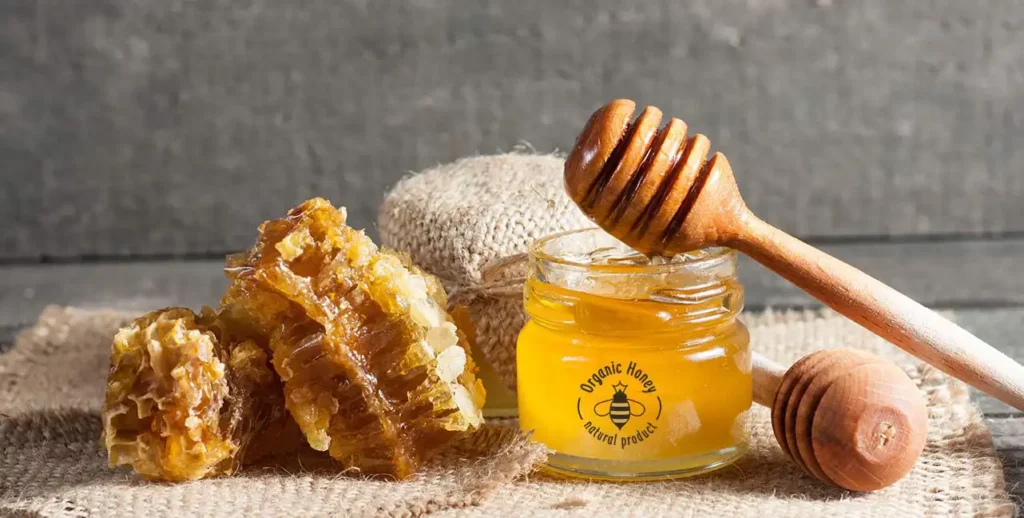
The production process begins with the selection of suitable locations for beehives. Beekeepers choose areas rich in natural vegetation and far from pollution sources. This step is critical for maintaining Balkan honey quality.
Bees collect nectar from flowers and convert it into honey through natural enzymatic processes. This transformation affects both the taste and nutritional content of the final product.
Harvesting is done carefully to preserve quality. Excessive processing is avoided, allowing the honey to retain its natural properties. Proper storage and packaging are also essential to maintain consistency.
The Role Of Environment In Balkan Honey Quality
The environment is one of the most important factors influencing Balkan honey quality. The region’s varied geography creates diverse ecosystems that support a wide range of plant species.
This biodiversity directly affects the characteristics of honey. Different plants produce different types of nectar, resulting in variations in flavor, color, and aroma.
The relatively low level of industrial agriculture also contributes to maintaining natural conditions. This supports both bee health and long-term sustainability.
Why Businesses Value Balkan Honey Quality
For businesses, Balkan honey quality offers several advantages. It provides a product that aligns with current market trends, including demand for natural, traceable, and high-quality food.
Retailers benefit from offering honey that stands out from mass-produced alternatives. The unique characteristics of Balkan honey can support premium pricing and stronger brand positioning.
Suppliers in the region are also improving their ability to meet international requirements. This includes better documentation, standardized packaging, and more efficient logistics.
Packaging And Market Presentation
Packaging plays a key role in communicating Balkan honey quality. High-quality packaging protects the product and enhances its visual appeal.
Many producers are adopting modern packaging solutions, including glass jars and standardized labeling. This helps meet the expectations of international buyers and supports brand consistency.
Presentation is especially important in premium markets, where consumers pay attention to both product quality and appearance.
Quality Standards And Certification
Maintaining Balkan honey quality requires adherence to specific standards. These may include local regulations as well as international requirements for export.
Testing is often conducted to ensure that honey meets criteria such as moisture content and purity. Certifications can provide additional assurance to buyers.
Consistent quality control is essential for building trust and maintaining long-term business relationships.
Future Outlook For Balkan Honey Quality
The future of Balkan honey quality looks positive. As awareness of natural products continues to grow, the demand for high-quality honey is expected to increase.
The region has the potential to strengthen its position by focusing on quality, branding, and international partnerships. Investments in these areas can help expand market reach and improve competitiveness.
Continued attention to sustainability and environmental protection will also be important for long-term success.
Conclusion
Balkan honey quality is defined by a combination of natural conditions, traditional practices, and evolving standards. It offers a product that meets the needs of modern consumers while maintaining authenticity.
For both individuals and businesses, understanding Balkan honey quality provides insight into why this product continues to gain recognition. With the right approach, it can play a significant role in the global honey market.
FAQ
What determines Balkan honey quality?
It is determined by environmental conditions, floral diversity, and production methods used by beekeepers.
Is Balkan honey considered high quality?
Yes, due to its natural origin and traditional production, it is often considered a reliable and high-quality product.
Can Balkan honey be exported internationally?
Yes, many producers meet international standards and supply honey to global markets.
What makes Balkan honey different from other honey?
Its diversity of floral sources and relatively unpolluted environment give it unique characteristics.
How is Balkan honey commonly used?
It is used as a sweetener, in cooking, and as part of a balanced diet.


